
Fire safety remains one of the most important considerations in modern construction. Regulations, client expectations and the sheer responsibility of protecting lives mean that every detail counts when it comes to fire prevention. Among the many systems available, intumescent paint has become a leading choice in both commercial and residential projects. This specialist coating reacts when exposed to high temperatures, forming an insulating barrier that delays structural failure. By doing so, it provides critical fire protection while still allowing architects and contractors to maintain design freedom.
What Exactly is Intumescent Paint?
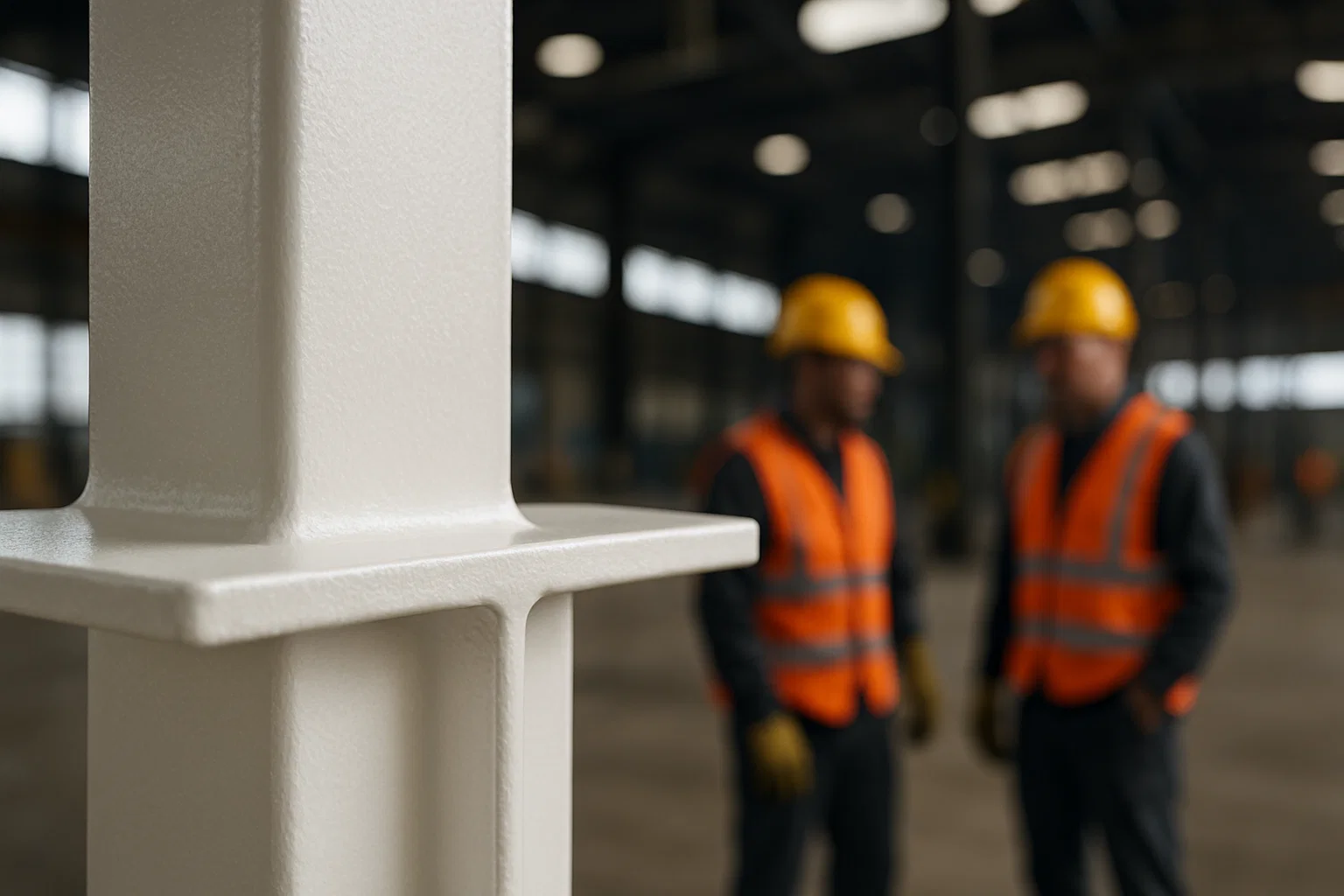
At first glance, intumescent paint looks much like a normal coating. However, once exposed to heat, it undergoes a dramatic transformation. When the surrounding environment reaches around 250°C, the paint expands many times its original thickness, creating a foamed insulating layer. This layer prevents the rapid rise in temperature of the underlying substrate.
The most common substrates are structural steel, timber and occasionally concrete structures. Since steel begins to lose strength quickly once it reaches 550°C, applying intumescent coatings is one of the most common forms of passive fire protection used today. By delaying the point of collapse, it provides occupants more time to escape and the fire brigade a greater chance of containing the blaze.
Why Intumescent Paint is Essential in Fire Protection
Without proper protection, steel and timber elements in a building can fail in minutes. Fire resistance is therefore not optional but mandatory in most projects. Intumescent systems are part of a broader passive fire strategy, slowing the effects of fire rather than stopping it completely.
Unlike active fire protection measures such as a sprinkler system, alarms, or suppression units, intumescent paint works silently in the background. Its role is to keep the structure intact for as long as possible. The combination of passive and active systems offers layered defence, ensuring both early warning and delayed collapse, two things that save lives.
How Intumescent Coatings Work
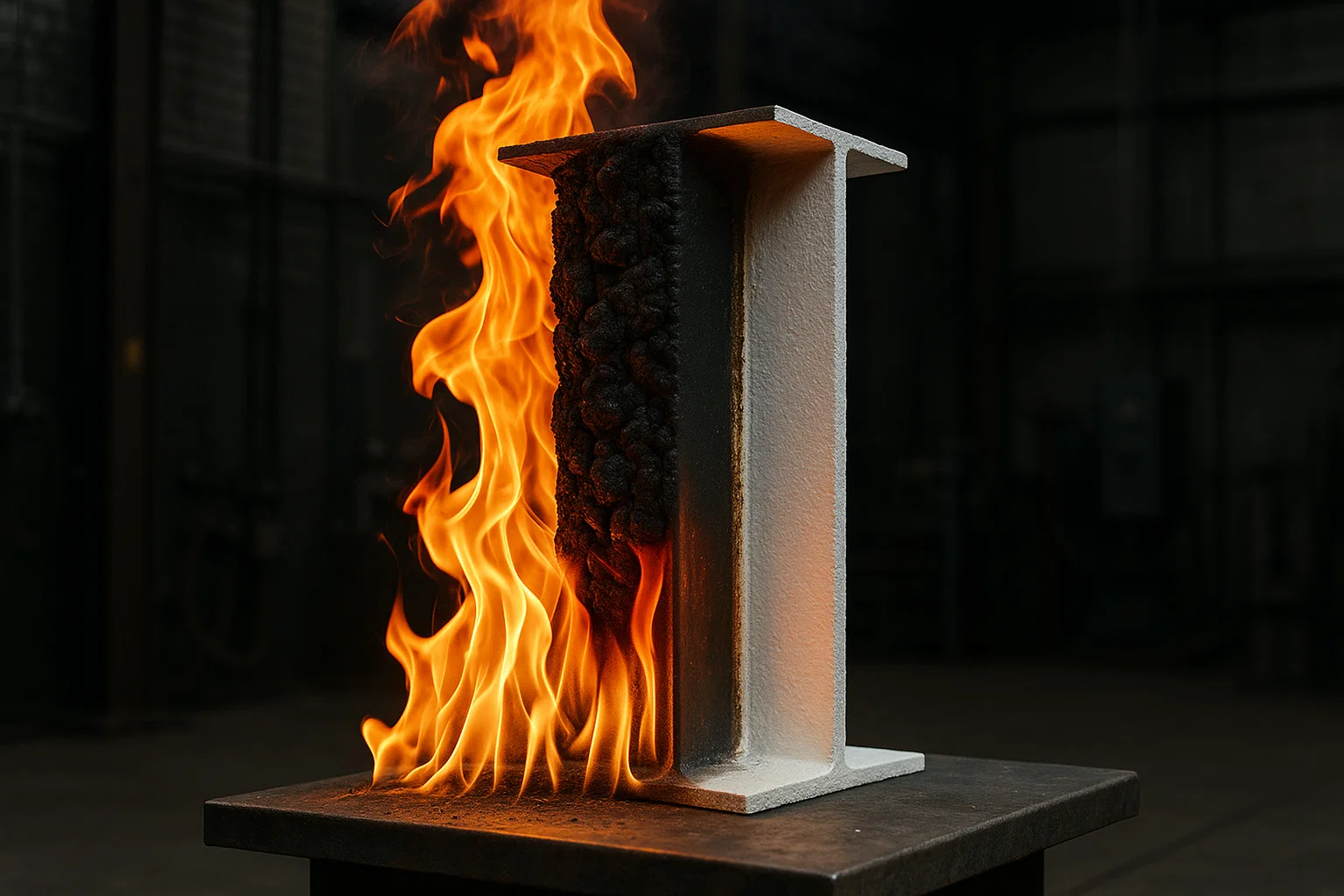
The secret lies in chemistry. When heated, the paint releases gases that cause it to bubble and expand. Within minutes, the coating swells into a thick char that can be up to 50 times the original thickness of the paint. This char has very low conductivity, slowing the transfer of heat into steel structures.
For the system to be effective, it must be applied correctly. Too thin a coating may not provide the expected fire rating, while over-application can lead to cracking. Manufacturers provide detailed guidance on application rates, thickness and compatibility with primers or topcoats. Contractors must follow these instructions closely, particularly when dealing with exposed steel work where performance cannot be compromised.
Application Methods: On Site and Off Site
One of the strengths of intumescent systems is their flexibility in application. They can be typically applied by spray, brush, or roller, depending on the project. On site application is the most common type, often carried out during construction once the steel is erected. This ensures coverage across joints, bolts and welds, though it does expose coatings to site conditions like dust and moisture.
Off site application involves coating the steel before it arrives on location. Once applied off site, beams and columns arrive with protection already in place, reducing programme time and improving quality control. For fast-track projects, off site coating can even allow for next day delivery, helping contractors meet tight deadlines. Both approaches have their place, the choice depends on project size, weather and logistical needs.

Where Intumescent Paint is Used
Modern buildings across every sector rely on intumescent coatings. Shopping centres, schools, transport hubs, warehouses, offices and leisure facilities all depend on them to meet fire safety regulations. They are also used in niche environments where additional hazards exist, such as facilities handling flammable liquids or offshore sites where marine coatings are required.
Refurbishment is another growth area. Older buildings can be brought up to standard with intumescent systems without altering their appearance. Decorative finishes can even be added on top, allowing exposed steel beams to retain their visual appeal.
Key Benefits of Intumescent Paint
Intumescent paint is now the most common form of fireproofing for a reason. It provides discreet protection, as thin coatings maintain the architectural aesthetic of exposed beams while delivering reliable safety performance. It can achieve fire ratings from 30 minutes up to 120 minutes, depending on thickness and specification. The systems are versatile, working effectively on steel, timber and other substrates, including complex steel structures with awkward geometries. They are practical too, offering a faster and less disruptive solution than boarding or encasing steelwork. Adaptability is another strength, with coatings suitable for both on site and off site application depending on the project’s requirements. When applied correctly, intumescent systems balance safety, cost and design more effectively than almost any other fire protective coating.
Different Types of Intumescent Paint
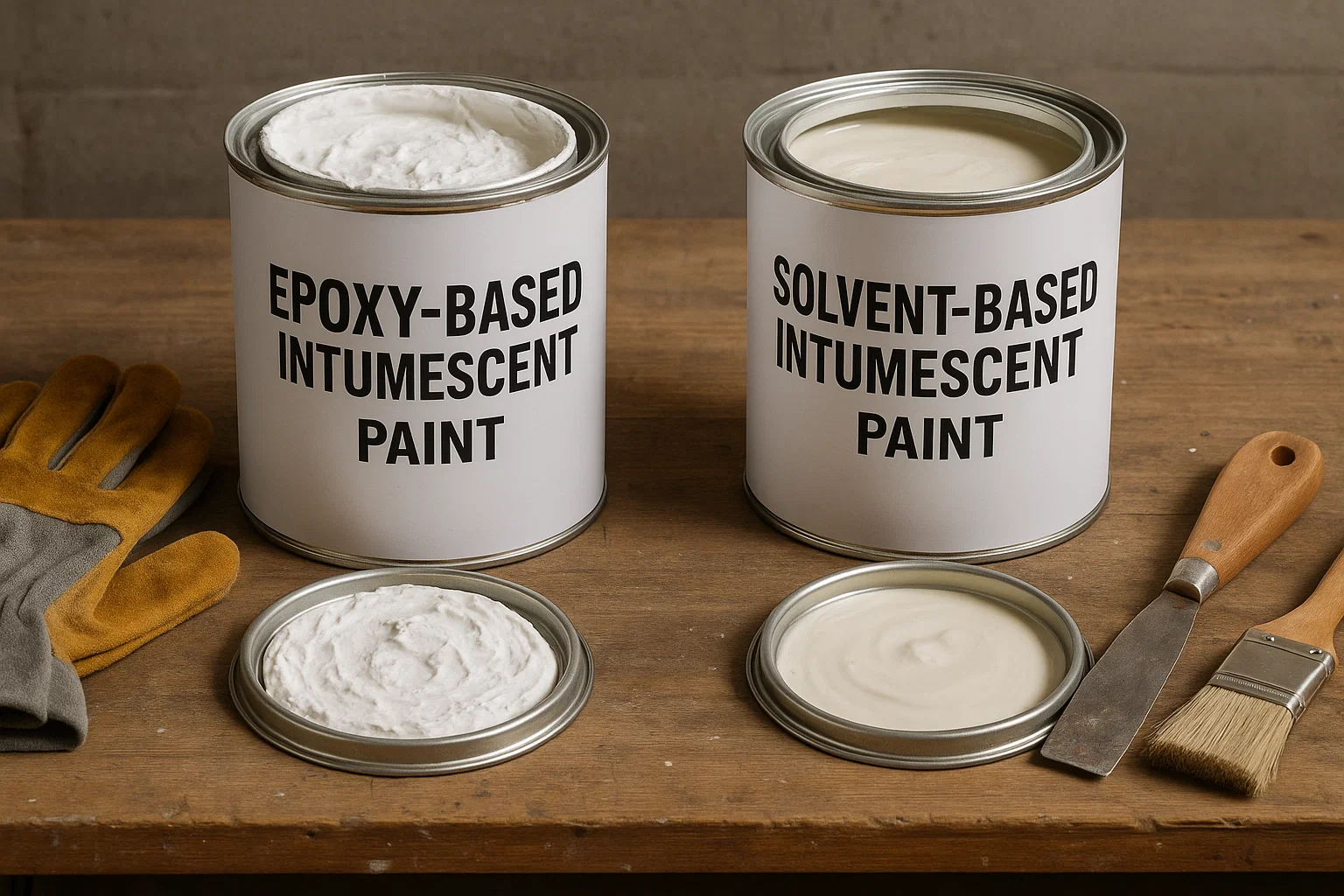
There is no single formulation. Coatings are divided into solvent based and epoxy based products. Solvent based coatings are versatile, relatively easy to apply and widely used across commercial construction. Epoxy based coatings are tougher, more durable and particularly suited to harsh environments or offshore use. In these situations, the coating also acts as part of a protective system against corrosion. Manufacturers such as Sherwin Williams Protective have developed ranges covering both categories, offering systems tailored to the challenges of specific industries.
The Role of Intumescent Coatings in a Fire Safety Strategy
No single system can guarantee safety in isolation. Intumescent paint works best when integrated into a broader strategy that combines both active fire protection and passive fire protection. Together with alarm systems, sprinkler systems and evacuation planning, it forms part of a safety net that addresses multiple aspects of risk.
The real strength of intumescent paint is that it provides fire protection invisibly. Unlike fire doors, alarms, or extinguishers, it is always present, requiring no activation to perform. This silent reliability is one of the reasons it has become a common type of fireproofing in almost every new build today.

Challenges and Considerations
Despite its benefits, intumescent paint is not without challenges. Performance can be affected by low temperatures during application, exposure to moisture, or incorrect thickness. Over time, coatings may require inspection to ensure they have not been damaged. Where re-decoration is required, careful choice of compatible topcoats is essential to avoid reducing effectiveness.
For contractors, the key is always to follow the manufacturer’s detailed guidance, ensure coatings are applied correctly and verify that the final system meets the required fire rating. With proper planning, intumescent systems remain one of the most reliable long-term solutions for fire protection.
Why Intumescent Paint is the Right Choice
Every building is different, but the need for safety never changes. Intumescent paint has proven itself to be one of the most common types of passive fire protection in use today. From on site application on busy construction projects to precision off site application in controlled factory conditions, these coatings consistently deliver.
By combining durability, design flexibility and the ability to delay collapse under fire, intumescent paint provides reassurance to developers, safety officers and occupants alike. In a world where fire safety regulations are only becoming more demanding, investing in this form of fire protection is not just about compliance, it is about saving lives.


