
2026 is shaping up to be a year of change and opportunity. Updated regulations, shifting industry standards and a new focus on sustainability are pushing passive fire protection systems into the spotlight.
Whether you’re an architect, main contractor or facilities manager, understanding what’s changing in fire protection matters more than ever. This blog breaks down the latest innovations, regulation updates and practical shifts that influence how we protect people and buildings.
Introduction to Fire Protection
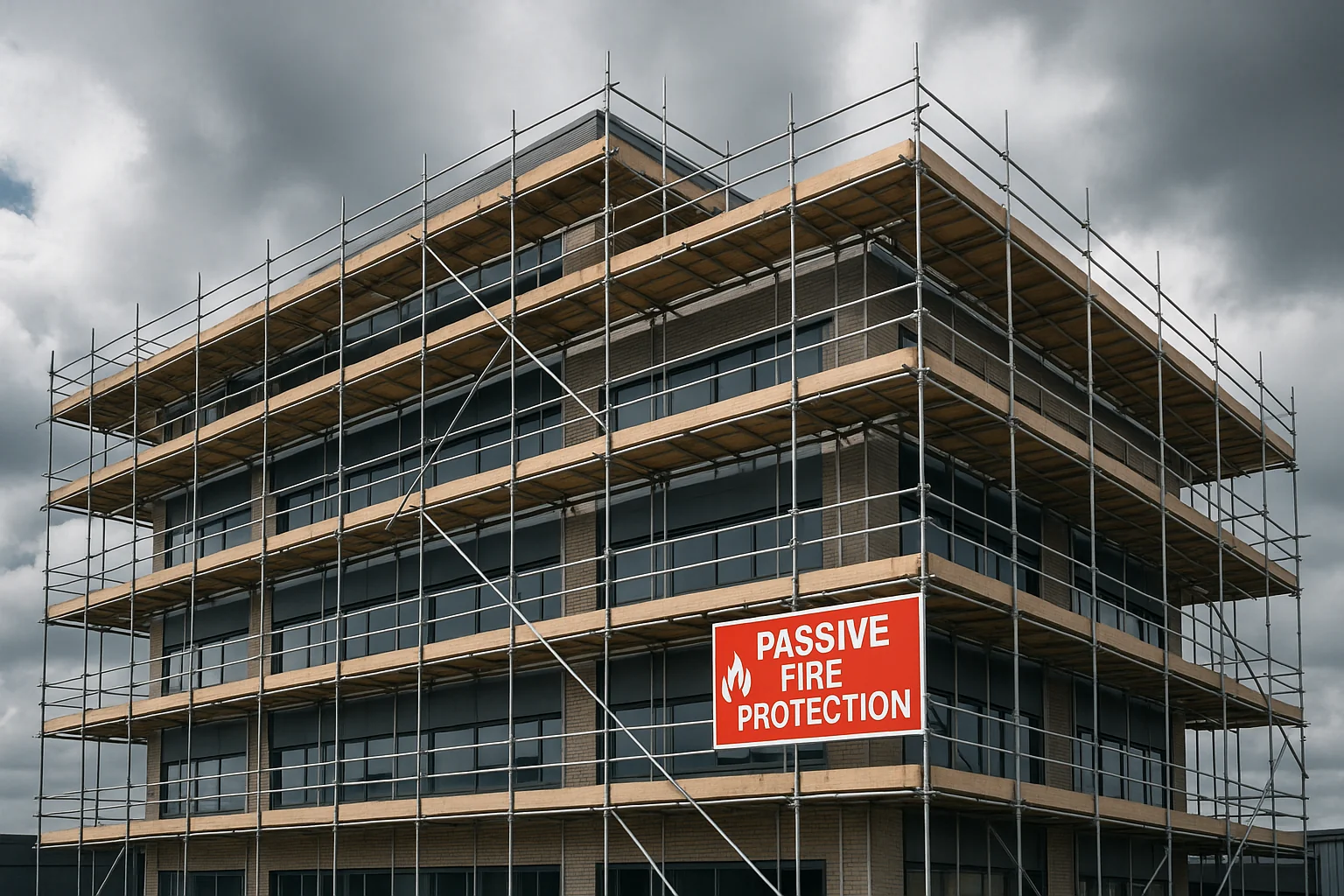
Fire protection keeps people safe in residential, commercial and industrial buildings. Every fire strategy relies on both active and passive measures. Active systems react to a fire with alarms, sprinklers or extinguishers. Passive systems sit within the structure of a building and work continuously to slow the spread of fire and smoke.
Both approaches support each other, but passive protection plays a unique role. These systems don’t need activation. They don’t rely on electricity or human action. They stay ready at all times, containing fire and giving people more time to escape.
What Is Passive Fire Protection And Why Does It Matter?
Passive fire protection sits within the fabric of a building. It prevents fire and smoke from spreading, protecting escape routes and maintaining the building’s stability. These systems work silently in the background, making them a crucial part of any fire strategy.
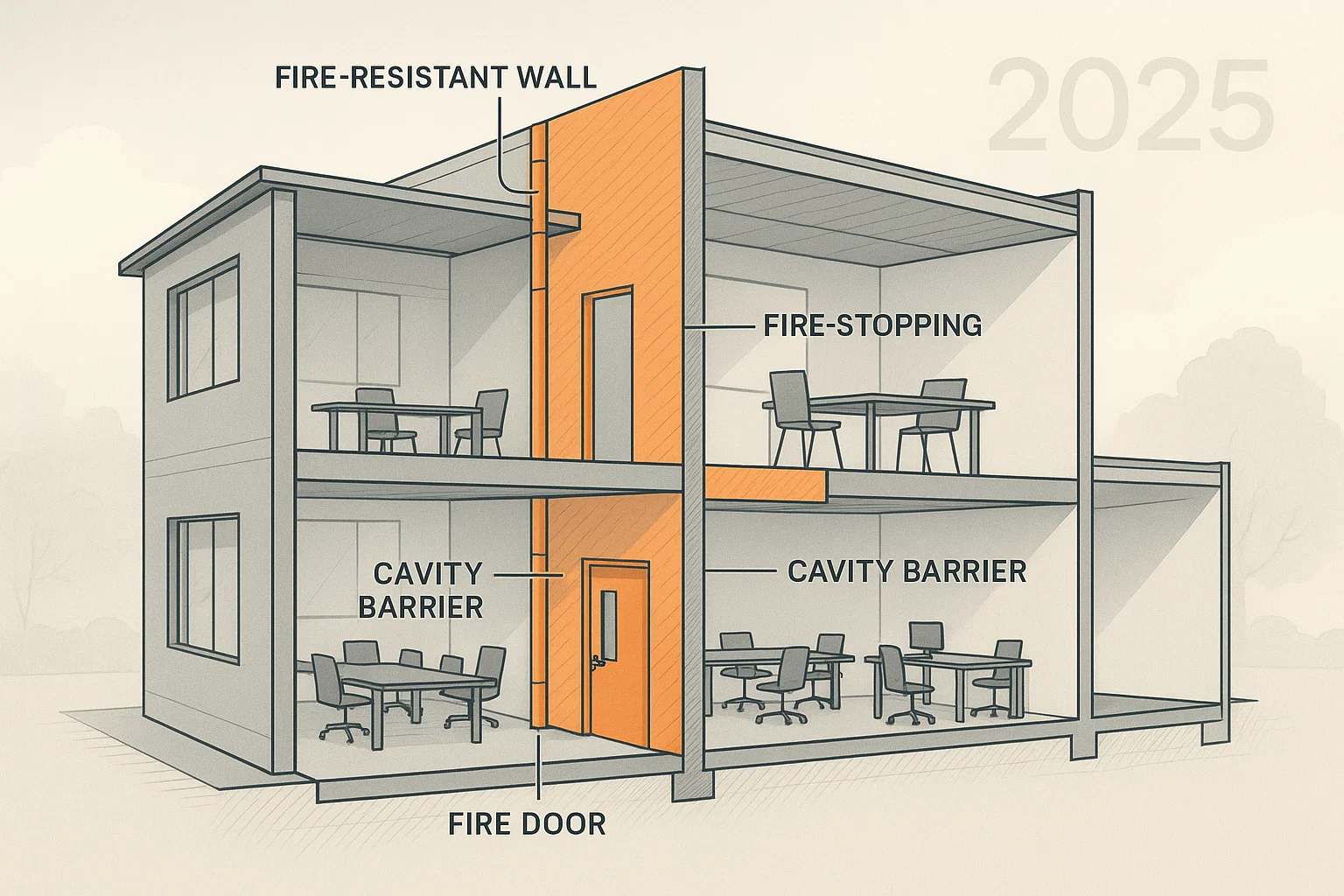
Fire-resistant walls, floors, coatings and penetration seals help contain fire within a defined space. Each component strengthens the structure and slows down fire movement. Correct installation is essential, as even small defects can reduce performance. Regular checks keep these systems reliable and ready for real-world use.
In 2026, passive fire protection also needs to meet higher standards. Clients expect stronger performance data, greater sustainability and better traceability across projects.
What’s Changing In Fire Safety Regulations This Year?
The end of BS 476
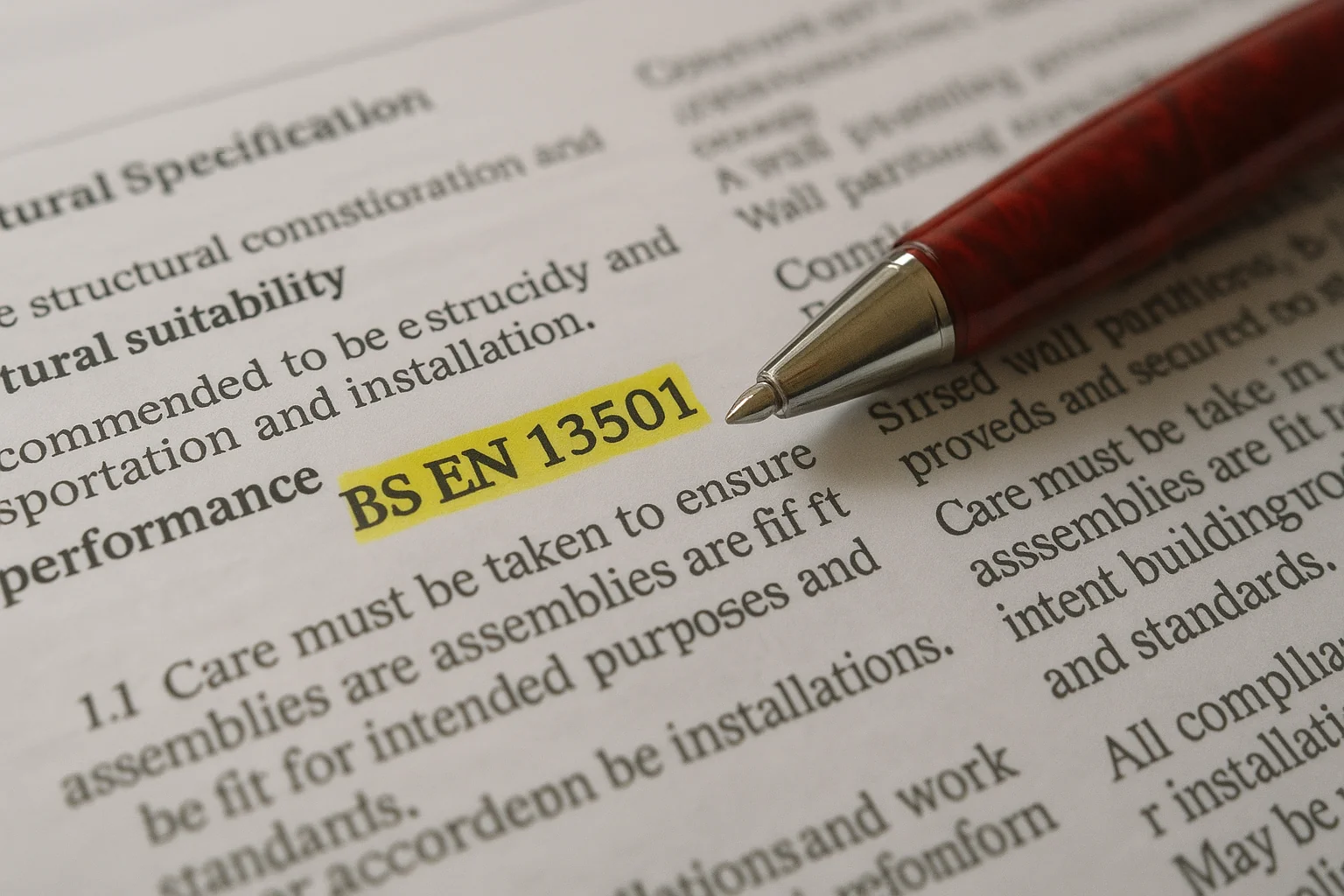
In 2026, the UK is completing its transition away from the BS 476 standard in favour of the European BS EN 13501 classification system. The newBS EN 13501-1 standard provides clearer classification criteria for fire performance, helping specifiers and contractors align with the latest European testing framework.
This move brings consistency across the industry and provides clearer, more relevant performance data. If your specs still reference BS 476, it’s time for an update.
Mandatory sprinklers in care homes
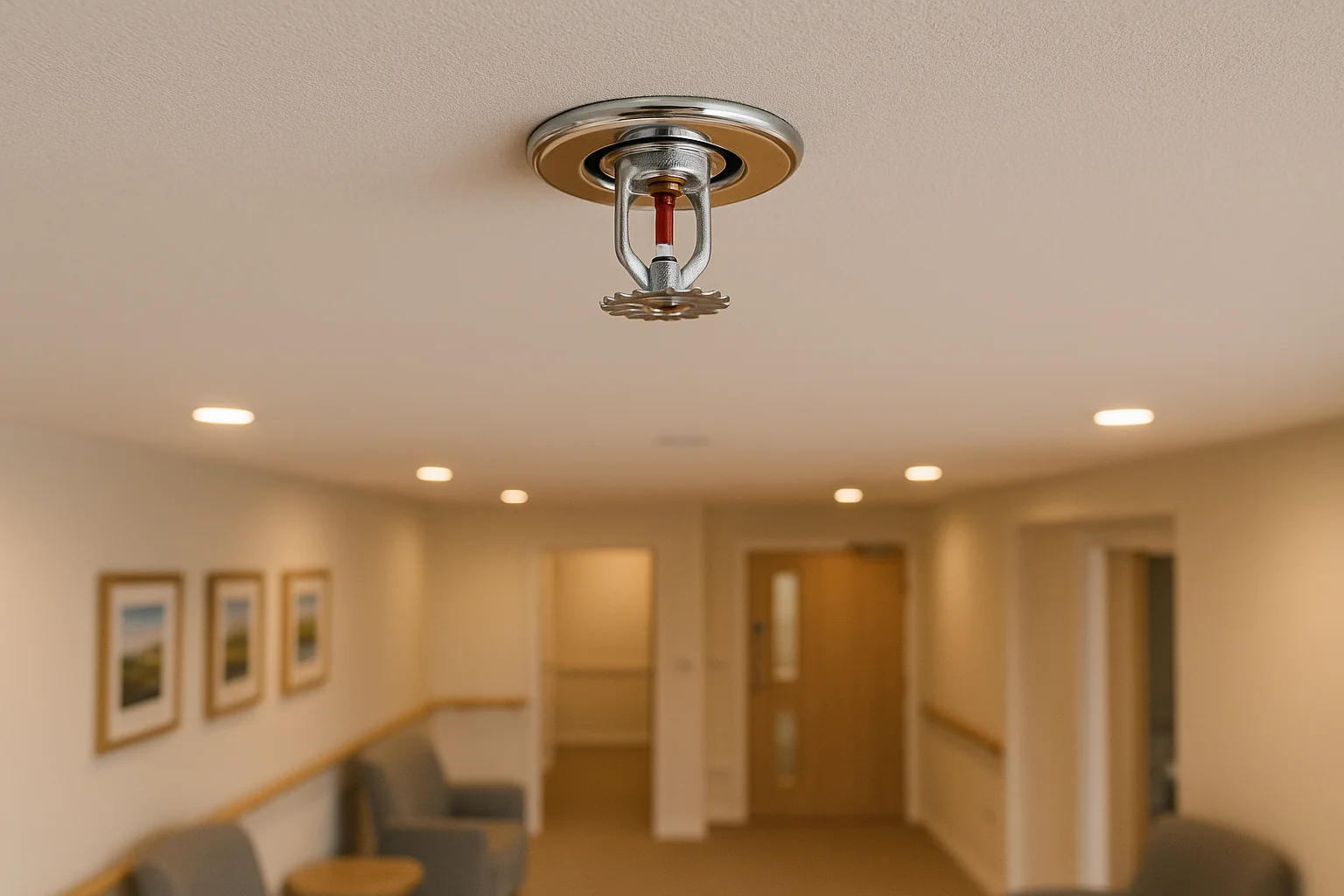
From March 2026, every new care home in England must have sprinkler systems. Although sprinklers belong to active fire protection, this change highlights a bigger trend: fire strategies are becoming more complex. Passive systems now need to support these enhanced requirements.
Environmental reform: PFAS foam ban
From July 2026, PFAS-based firefighting foams will be phased out. This mainly affects suppression systems, but it also signals a wider push for cleaner, low-impact fire protection methods. More clients are demanding sustainable products across passive systems too.
A bigger handover burden under Regulation 38
The updated Regulation 38 places a bigger handover responsibility on fire protection contractors. You must now provide detailed documentation that shows where each passive system sits, how it performs and how it should be maintained. This shift puts traceability at the centre of modern fire protection.
Regular testing of these systems is also mandated to ensure they perform as intended during a fire event.

New Materials, Smarter Methods, Better Performance
More efficient intumescent coatings
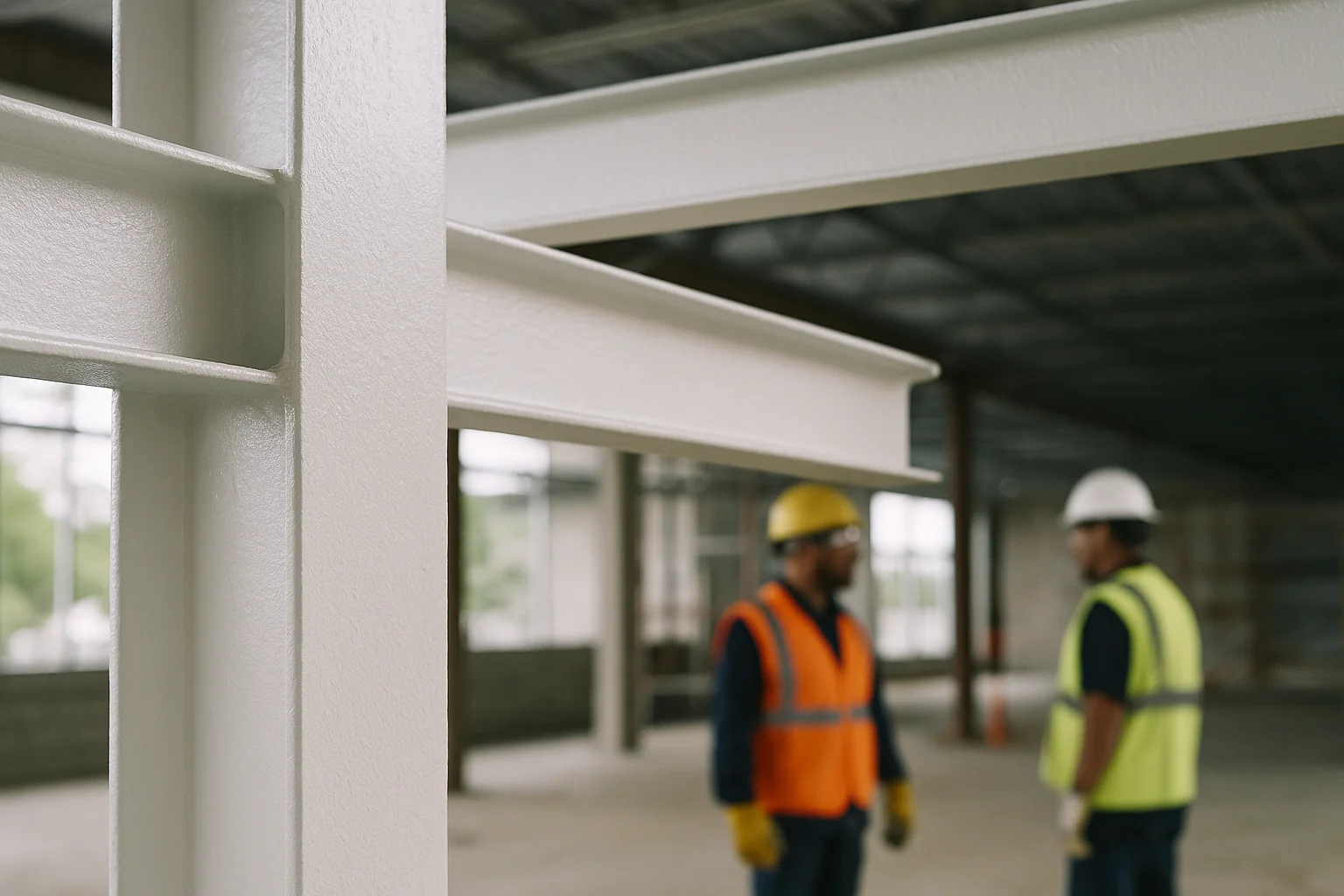
One of the biggest improvements we’ve seen this year is in fire-resistant coatings. Today’s intumescent paints offer longer protection with thinner layers and lower VOCs. At SBS, we’ve already used them in occupied buildings where environmental impact and finish quality both matter. Cementitious systems remain equally important, particularly where long-term durability and coverage on structural steel are key. Learn more in our article on cementitious coatings in fire prevention.
Flexible fire curtain systems are on the rise
Where rigid boards aren’t suitable, flexible systems are stepping in. Fire curtains offer excellent resistance, can be fitted faster and take up less space, making them perfect for projects with awkward details or listed features. On one recent job, we helped a client save time and money by replacing Durasteel with a Firefly curtain without sacrificing performance.
Digital QA is becoming essential
With increased pressure on traceability, more contractors are turning to digital QA tools to track installation of passive fire protection systems. These platforms allow for photographic evidence, geo-tagging and instant certificate generation, all supporting better Regulation 38 compliance and long-term asset management.
Compartmentation and Fire Doors
Compartmentation is a cornerstone of passive fire protection, involving the division of a building into separate compartments to prevent the spread of fire and smoke. This method effectively contains a fire within a designated area, limiting its ability to cause widespread damage and providing occupants with safe escape routes. Fire doors are integral to this strategy, acting as barriers that prevent the spread of fire and smoke between compartments.
Fire doors are specifically designed to be fire-resistant, with ratings that indicate their ability to withstand fire for a specified period. These doors are crucial in maintaining the integrity of a building’s compartmentation, ensuring that fire and smoke do not easily pass from one area to another. Choosing the right door system is crucial, particularly for busy workplaces and high-risk environments. Our post on what makes a commercial fire door compliant explains the standards and testing behind doors that truly perform under pressure.
Regular inspection and maintenance of fire doors are essential to ensure they remain effective. This includes checking for any damage, ensuring proper installation and verifying that they close and latch correctly. By maintaining fire doors in optimal condition, building owners can significantly enhance their fire protection measures and ensure the safety of occupants.
Fire Stopping and Cavity Barriers
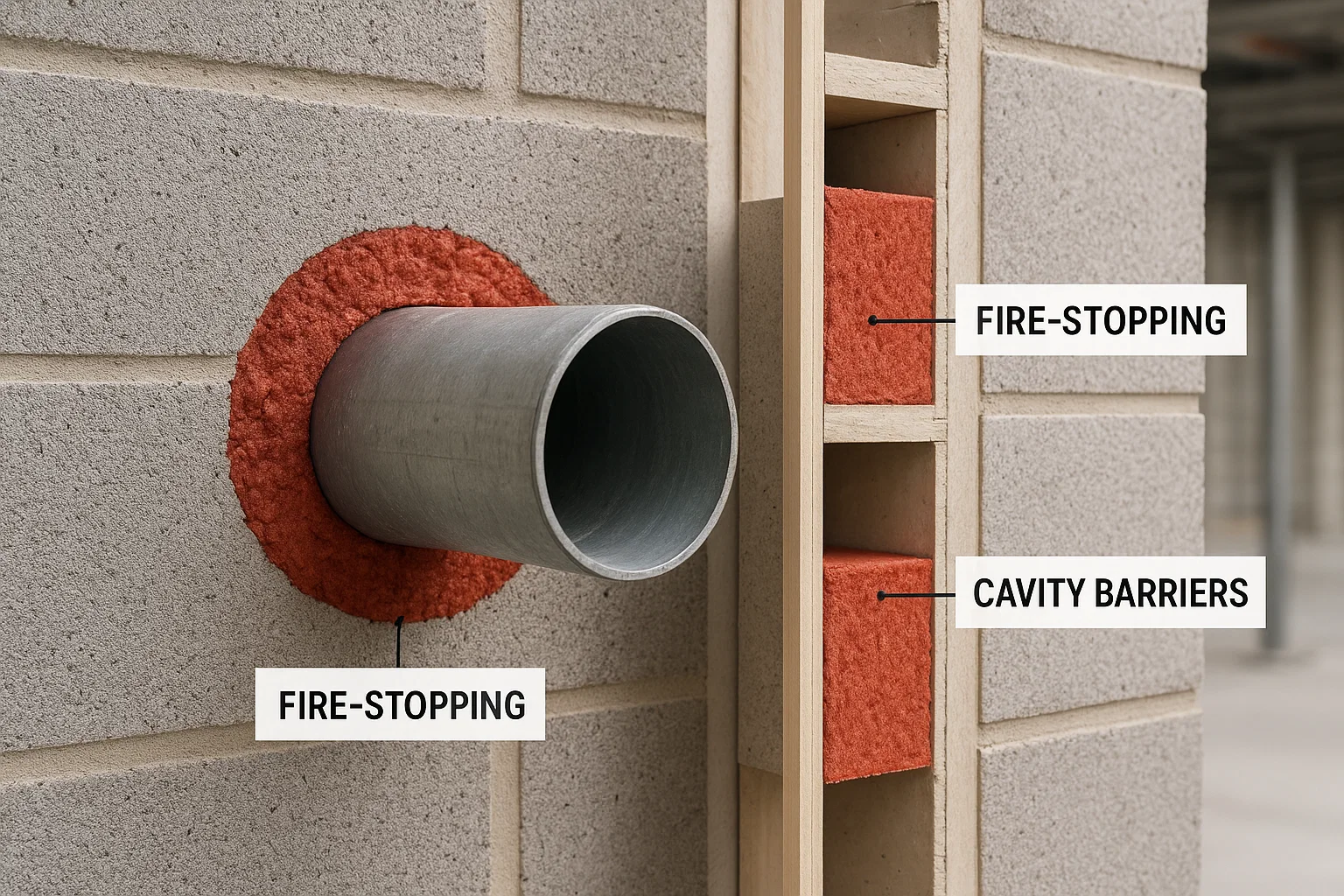
Fire stopping and cavity barriers are essential components of passive fire protection, designed to prevent the spread of fire and smoke through concealed spaces and cavities within a building. It involves the use of fire-resistant materials to seal gaps and openings in walls and floors, such as those created by pipes, cables and ducts. These seals are crucial in maintaining the integrity of fire-rated walls and floors, ensuring that fire and smoke cannot easily pass through these penetrations.
Cavity barriers, on the other hand, are used to prevent the spread of fire and smoke through cavities and concealed spaces, such as those found in walls, floors and ceilings. These barriers are typically made from fire-resistant materials and are installed within the cavities to keep the space compact and restrict the movement of fire and smoke. Both fire stopping and cavity barriers are critical in maintaining the integrity of a building’s compartmentation, helping to prevent the spread of fire and smoke and ensuring the safety of occupants.
How Active Fire Protection Supports a Fire Strategy
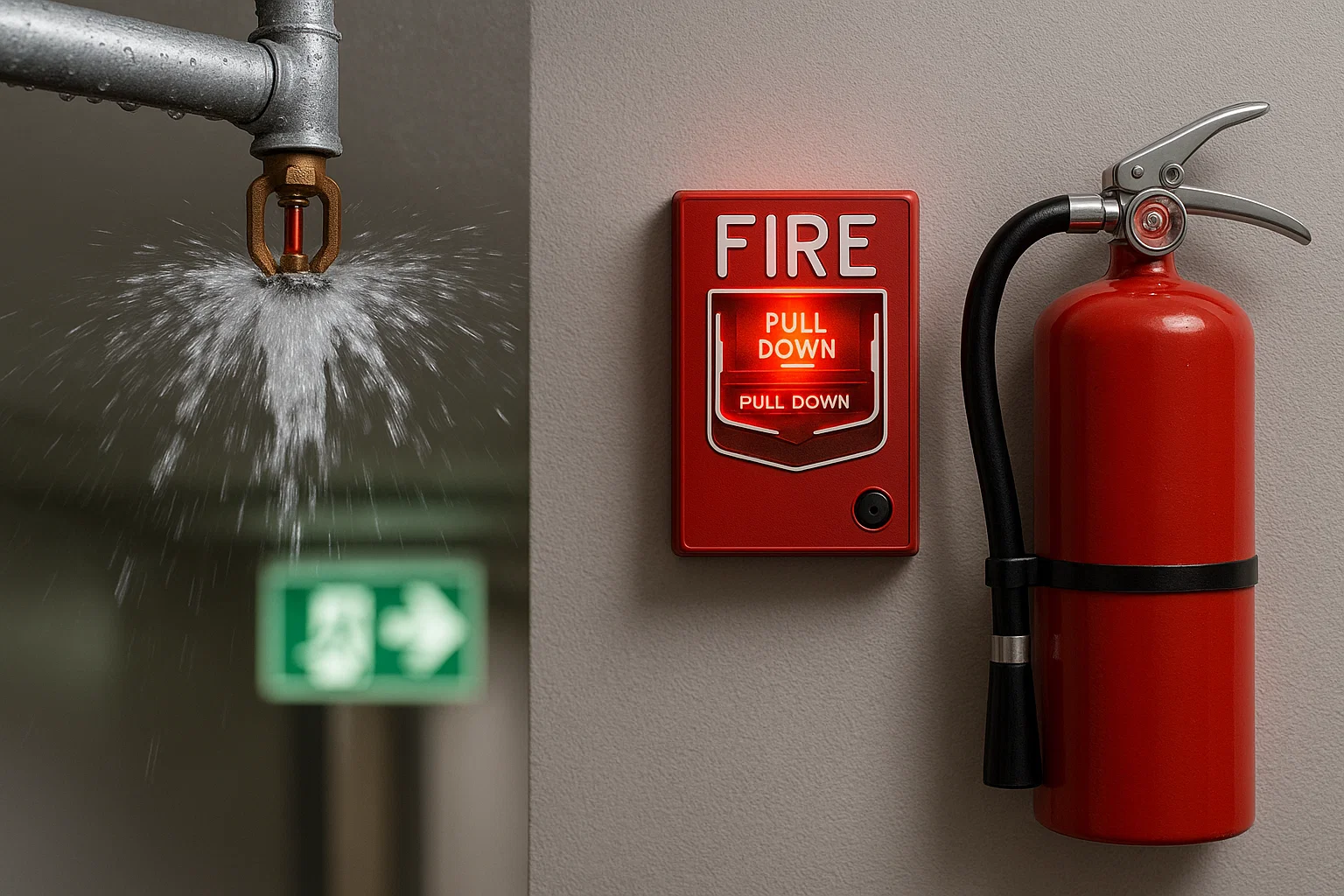
Active fire protection reacts to a fire once it begins. Alarms alert occupants, sprinklers release water over the affected area and extinguishers provide an immediate response. Inert gas systems offer another suppression method for environments where water is unsuitable. These tools all play a vital role in controlling a developing fire and reducing the speed of escalation.
Limitations of Active Fire Protection
Active systems still come with risks. They depend on electricity, water supply or human action. A fire extinguisher only works if someone reaches it in time. Sprinklers need regular maintenance to operate correctly. Emergency escape lighting must also function during a power failure to support safe evacuation. These gaps show why passive fire protection remains essential. It stays in place, works continuously and provides the first line of defence.
Why Both Systems Must Work Together
A strong fire strategy relies on active and passive systems working as one. Passive measures help stop fire and smoke from spreading. Active systems detect and suppress the fire. Smoke dampers restrict movement through ductwork. Fire doors protect escape routes and maintain compartmentation. Smoke detectors alert occupants, while fire hoses offer direct response during an emergency. A thorough fire risk assessment ties these elements together and helps identify the hazards that need attention. When both systems operate correctly, they reduce risk, limit damage and protect people in any building.
Benefits of Passive Fire Protection
Passive fire protection offers numerous benefits, making it an indispensable part of any comprehensive fire safety strategy. One of the primary advantages is the prevention of fire spread, which helps to contain a fire within a specific area and limits the potential for widespread damage. This containment not only protects the building’s structural integrity but also provides occupants with a safe means of escape, significantly reducing the risk of injury or loss of life.
Passive fire protection systems are designed to be durable and long-lasting, requiring minimal maintenance and upkeep. This reliability ensures that they are always ready to perform their critical function in the event of a fire. Additionally, incorporating passive fire protection measures into a building’s design helps to ensure compliance with relevant building codes and regulations, providing peace of mind for building owners and managers.
By implementing passive fire protection measures, building owners can create a safer environment for occupants, minimize the risk of fire and reduce potential damage. These measures, combined with active fire protection systems, form a robust fire protection strategy that safeguards lives and property.
Sustainable Fire Protection Is The New Standard
As the UK construction industry leans further into low-carbon methods, fire protection is evolving in response. Materials that used to be specified purely for performance are now being re-evaluated for their environmental impact.
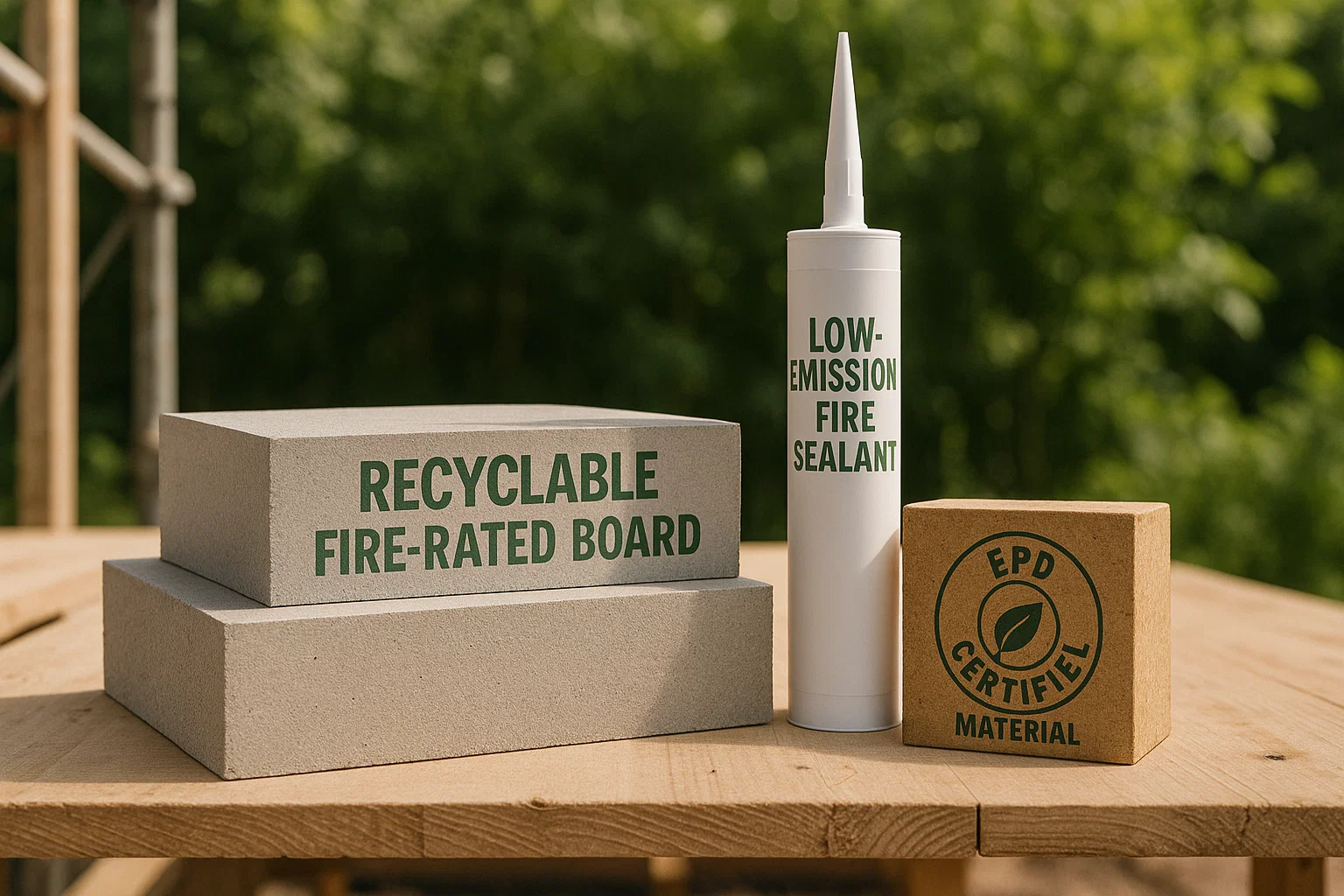
Clients increasingly expect low-emission sealants, recyclable boards and EPD-certified products. Green building frameworks like BREEAM and LEED are driving specification, making it essential for fire protection partners to support broader ESG goals.
At SBS, we’re sourcing greener materials, refining our installation techniques to reduce waste and working closely with supply chains to support sustainable outcomes – without compromising safety.

Ready To Protect What Matters Next?
The future of fire protection is layered, integrated and smarter than ever. In 2026, contractors are expected to deliver more than compliance, they’re expected to add value, solve problems and support both safety and sustainability from day one.
At SBS, we bring years of specialist experience across some of the UK’s most complex and high-profile projects. We help clients navigate new regulations, choose the right solutions and ensure every part of the fire strategy is delivered to the highest standard.
Planning a project this year? Let’s talk about how we can protect what matters – intelligently, efficiently and reliably.


