
Like cities across the globe, London’s skyline has undergone major changes over the last few years. Today’s eye-catching towers, mixed-use centres, and heritage developments have superseded the more sedate architecture of the past.
New building designs have changed the way people live and work. Yet, there is a tougher story behind these extraordinary structures changing the London landscape. This is a story that forced the construction industry to thoroughly rethink fire safety.
The Grenfell tragedy and the system failures at New Providence Wharf showed how design ambition, poorly chosen materials, and poor fire management can put lives at risk. Meanwhile, the complex Battersea Power Station restoration, estate-wide challenges at Canary Wharf, and the Shard’s safety innovations have shown how coordinated actions and clever designs can serve as a blueprint for fire safety initiatives in major urban centres.
Let’s learn lessons from the past:

Fire Safety case studies, London
These cases reveal how fire safety isn’t just a regulatory checklist, as it once was. Fire prevention and recovery demand accountability, performance-tested solutions, digital oversight, and strategies shaped by occupant behaviour. These high-profile developments teach today’s builders, architects, and property owners how to design safer buildings to protect people and the city’s future.
Grenfell Fire Risks: Lessons Remembered
In June 2017, a disbelieving global television audience watched in horror as the tragic Grenfell Tower fire unfolded. For many, this was beyond comprehension. How could a fire burn out of control in one of London’s high-rise buildings? Seventy-two people died in the fire, 18 of them children. More than seventy people were injured, and scores lost all they had to fire damage.
An inquiry found that the deaths were completely avoidable and that the country had let the occupants down by turning a blind eye to safety issues. The Grenfell fire was a turning point in how the UK dealt with safety in high-rise construction. The fire and its consequences were not the result of one bad decision. Several failures spanning design, materials, inspection, and long-term building management had put the occupants at risk.
Grenfell Fire Risk Failings
The cladding presented the most damaging failure. Aluminium composite panels with a highly combustible polyethylene core covered the building to create a more attractive, better-insulated façade. Alone, the panels were risky. Together with the shoddy installation, missing fire breaks, and substandard cavity barriers, the outer shell created a chimney that quickly drew the flames skyward.
The disaster exposed how poor fire-risk assessments can endanger entire communities. Grenfell’s residents had, on several occasions, raised concerns about fire hazards, poor maintenance, and blocked escape routes. Yet it seemed the fire assessors were more concerned with paperwork than with the risk. The authorities had instructed residents to stay where they were. Yet the “stay put” guidance should have been properly reviewed, as the building used flammable cladding. When the fire started spreading across the outside walls, there was no practical alternative evacuation plan. The occupants were confused and unprepared.
And who was responsible? The Grenfell Inquiry revealed a string of decision-makers and contractors who had made decisions. They all shifted blame. The developer, refurbishment contractors, product suppliers, and building managers all had a role to play. Yet, no one took full ownership of fire safety. They approved materials with incomplete information. They misunderstood or ignored the fire tests and made cost-saving choices that put people’s safety at risk.
Lessons Learned
The core message was clear: fire safety fails when it falls short of minimum standards or is reduced to box-ticking exercises. Compliance must be proven, not assumed. Materials must have certified test results, verified installation methods, and ongoing inspections, supported by the latest updates in passive fire protection. There must be traceable accountability through every stage, from design to handover and building management. Documented proof must trace actions taken.
Independent fire safety specialists must provide strict oversight of all modern construction. The Fire Safety Act of 2021 extended the Regulatory Reform Order of 2005 to include external walls, doors, and the structure of high-rise residential buildings. Only transparent, documented, and reviewed decisions will protect the people who live and work in the buildings.
New Providence Wharf’s Fire Protection Failure
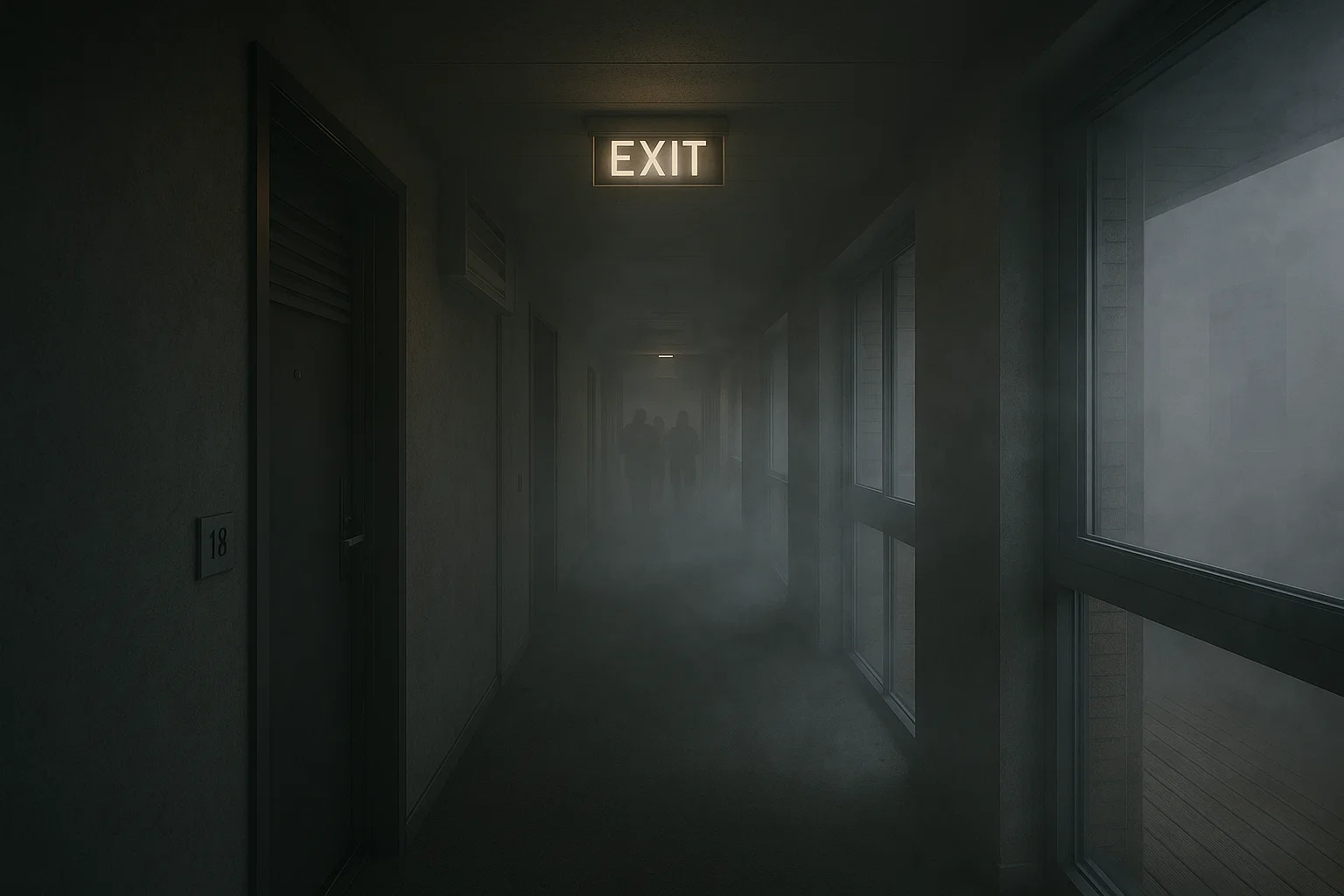
The fire at New Providence Wharf in 2021 highlighted another aspect of poor fire safety management. Unlike Grenfell, where combustible cladding played a central role, this incident exposed how dangerous a building can become even when, on paper, fire safety regulations appear to have been met with fire protection requirements in place. T
he electrical cables in one of the flats started the fire. It quickly became a major evacuation crisis thanks to critical system failures. The smoke ventilation system didn’t activate as it should in the presence of a fire. The automatic vents didn’t open, and doors that should have closed to stop smoke from entering the corridors remained open. Shared areas filled with thick smoke, cutting off safe exit routes. The fire showed that a designed solution is only effective if it works under actual conditions, rather than in engineering reports or on maintenance logs.
There were more surprises on the outside of the building, as flames spread faster than had been expected. Timber used in balconies and building façades caused this acceleration. Although in Grenfell the cladding had drawn the attention of fire authorities, this fire showed that smaller details, like balcony decking, can also quickly ignite. Even low-risk building materials can become hazardous without proper review and replacement.
From New Providence Wharf, we learn that modern fire safety is so much more than just products or compliance certificates. Systems must be constantly tested, managed, maintained, and audited. The Fire Safety Order, introduced in the Fire Safety Regulations of 2022, introduces new duties for responsible persons. A building can meet the necessary standards and still fail its occupants if life-saving equipment doesn’t work as it should.
Battersea Power Station: Balancing Heritage with Fire Prevention
The redevelopment of Battersea Power Station is one of London’s most ambitious renovation projects. This iconic 1930s industrial landmark needed more than just clever design to transform it into a modern mixed-use structure.
The redesign called for fire planning that respected the building’s history. The distinctive architecture, brickwork, steel framing, and turbine halls had to be preserved while the safety of thousands of visitors remained vitally important.
In many ways, heritage sites are more challenging than new construction sites. Older structures contain aging materials, hidden voids, and layouts that make the path of the fire and smoke more difficult to predict.
Open spaces, like the turbine halls, provide impressive architecture but are also areas to which smoke can move and gather unless effectively controlled. The designers had to upgrade the original steel elements and brick tunnels, in some places, to take on new fire performance standards without affecting their character.
Bespoke Fire Protection Measures
The project replaced standard fire code compliance with a new system tailored to the building’s unique features. One solution was enhanced compartmentation. The building was carefully split into fire-resistant zones that would contain flames without interrupting the visual appeal of the space. Passive fire protection systems, such as fire-resistant glazing, discreet fire doors, and hidden barriers, became an essential part of safe design. These elements protected escape routes without undermining the building design.
Modern, non-invasive fireproofing methods reinforced aging materials, including cementitious fireproofing solutions now widely used in steel construction. Spray coatings, fire-resistant wraps, and protected steel systems improved fire resistance even as they preserved the original structural appeal.. Digital technology included estate-wide fire monitoring, modern alarms, and systems to provide building operators with real-time data.
The Battersea restoration showed that preserving history and protecting people needs a tailored approach to fire safety. Restoration projects can honour the past and ensure the safety of those who use the facilities by using a customised approach to fire safety.
The Shard Exemplifying Multi-Use High-Rise Fire Planning in Commercial Buildings
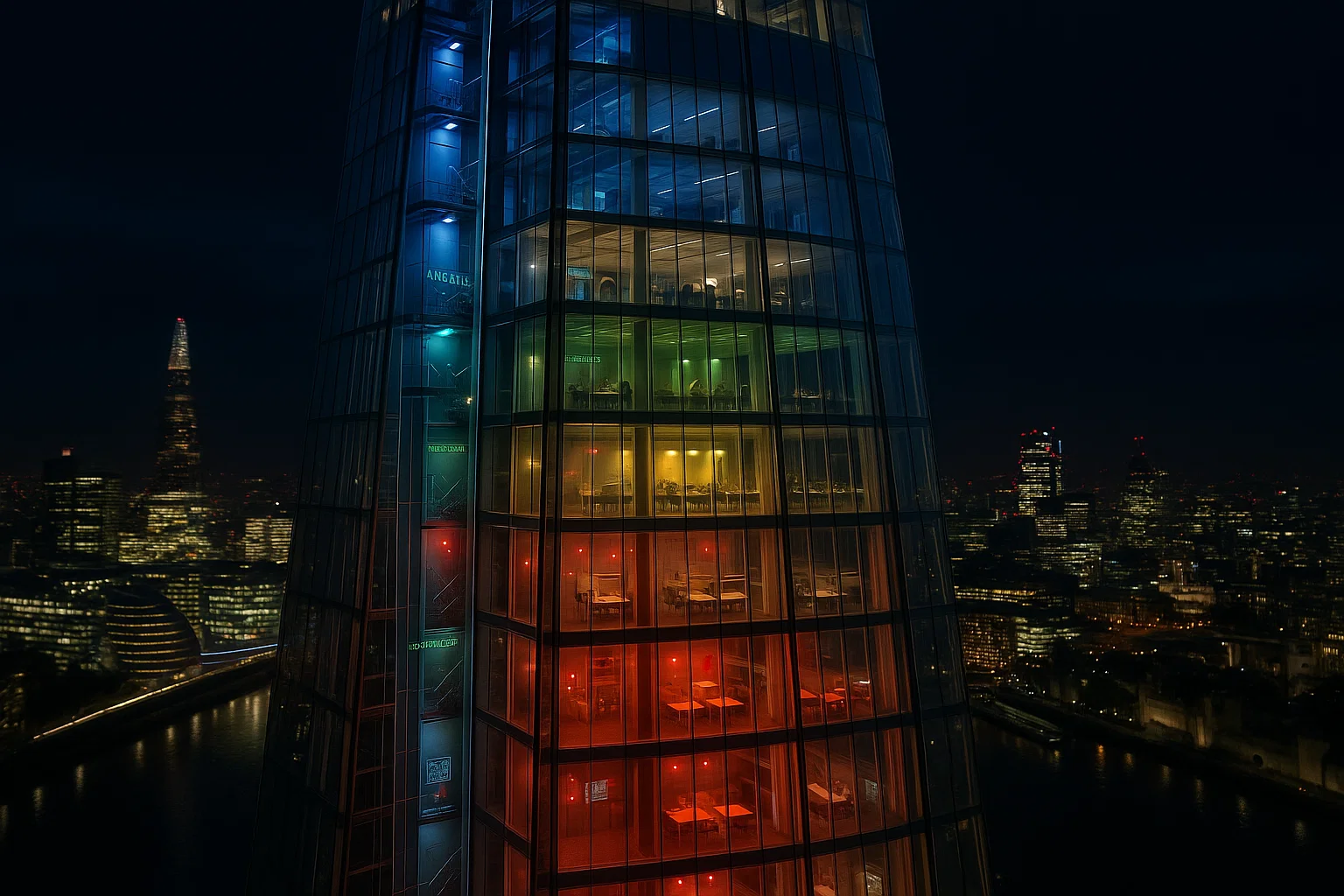
The Shard stands proudly as the tallest building in Western Europe and offers lessons for future fire engineers. The building accommodates a mix of retail, accommodation, a luxury hotel, offices, restaurants, and viewing decks.
Each space has different fire loads, different crowds, and different evacuation needs. It’s a challenge that extends beyond standard building regulations, needing a fully engineered fire strategy to meet the multi-use environment.
A high-rise restaurant floor, for example, has open flames, kitchens, electrical equipment, and dense seating. A hotel accommodates sleeping occupants who may be unaware or slow to react in an emergency. Public viewing decks hold large crowds, many with no building knowledge. Office tenants, by contrast, are familiar with evacuation routes and respond more quickly. Treating all these spaces as identical would create confusion when it matters most.
A Multi-Dimensional Fire Safety
The Shard uses a multi-dimensional fire strategy to ensure the safety of the occupants. The system combines integrated fire detection systems with zoned evacuation. Under this approach, affected areas are evacuated while other areas are protected and kept informed. This zoned approach prevents overcrowding at emergency exits. The building has high-capacity sprinklers and pressurised escape stairs, keeping them clear of smoke. Fire-resistant compartmentation prevents flames from spreading between zones and floors.
Advanced digital monitoring links the systems, synchronising alarms, suppression equipment, and communication platforms. A common safety framework is used for training staff employed by various businesses in the building. Common training protocols ensure consistent evacuation decisions, regardless of who is supervising the zone.
The Shard fire preparations exemplify the idea that mixed-use towers need more than code compliance. They must have a coordinated plan built around expected behaviour patterns in different environments. The fire strategy reflects the actual risks but maintains a unified system designed to keep all the occupants safe.
Canary Wharf’s Coordinated Fire Safety Systems
Canary Wharf isn’t just another cluster of commercial premises. It’s a managed estate containing retail centres, office, residential blocks, transport links, and public spaces. The estate is run as a coordinated network, and so is the fire system. Stand-alone systems are all very well, but they must communicate, and the emergency response teams must have a common, coordinated fire strategy.
Various buildings in the centre have sophisticated fire detection and protection systems, separately managed and installed. System-wide fire-monitoring networks ensure that control teams can see what is happening as it happens, building by building. Many of the fire detection systems form an integral part of the building management systems. These control functions include ventilation, lifts, and sprinkler systems.
Central management can instantly see a fire or system fault. So, the people running the show can coordinate evacuation and send out response teams to areas as they’re needed. Centralised response improves decision-making and ensures a quick response.
Canary Wharf provides lessons in the importance of shared responsibility with coordinated responses in fire prevention. Each business in the centre is responsible for its own fire equipment maintenance and personnel training. They know that if a tenant cuts corners, the risk extends to the entire estate. Continuous inspections, shared rules, and clear reporting lines make safety a collective duty.

How The Lessons Drove Changes in Fire Safety
London’s high-profile cases have reshaped how UK engineers design buildings for fire safety. In the first place, there has been an urgent shift to tighter control over combustible products. New regulations ban high-risk cladding on tall residential buildings. The authorities have also increased oversight of elements like balcony decking, insulation, and external finishes. Compliance now extends beyond the façade to all external elements that may facilitate the spread of fire.
The introduction of the Building Safety Act has changed the responsibility, with clearer duties set out in the Fire Safety Act 2021 guidance from GOV.UK. Developers, building owners, and product suppliers can’t just meet basic code requirements. They must prove the safety of their decisions. Accountability is no longer passed with the building completion.
Finally, there is a push for new technologies that drive transparency. Digital fire records, sensor-based monitoring, and third-party certification are now standard, not optional extras. These systems create a paper trail, with safety decisions traceable to responsible persons for decades.
Practical Fire Safety Tips for Modern Builders, Architects, and Owners
Modern fire safety demands higher standards, better planning, and ongoing maintenance beyond merely maintaining compliance. It all starts with selecting fire-resistant materials. Developers must rely only on certified, tested systems. Products must have proven fire performance and be properly installed. Cheap replacements may reduce upfront costs, but can introduce serious risks.
Documented Safety Measures
All fire-safety decisions must be documented. Traceable records of testing, installation, inspections, and product choices are mandatory. Independent fire experts should review these decisions and identify any potential issues to ensure there are no problems once people take residence.
Effective Evacuation Plans
Building use must lead evacuation planning. People in hotels, restaurants, offices, and residential spaces behave differently, and designers must tailor their strategies to the needs of each space’s occupants.
Continuous Safety Monitoring and Control
The work doesn’t end when the building is handed over at the end of the construction project. Ongoing inspections, digital monitoring, and estate-wide management ensure that fire protection measures work well. Ventilation, fire doors, alarms, Fire extinguishers, and suppression systems must perform reliably long after construction crews have moved off-site.
Retaining Crucial Passive Fire Protection Systems
Lastly, passive fire protection, including compartmentation, fireproofing, and protected escape routes, cannot be value-engineered out of a project. These unseen systems form a crucial part of fire safety systems, ensuring that building occupants stay safe.
Learning Lessons from London’s Past
In learning from London’s fire safety case studies, the authorities modelled fire safety regulations on the lessons learned and best practices. The result is more robust fire protection systems in London’s residential and commercial buildings, safeguarding lives and property.


